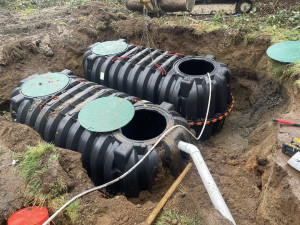
Homeowners usually don’t think about their septic system until something goes wrong.
And when it does, the first question is almost always:
How much is this going to cost?
For routine septic pumping, the answer is fairly straightforward.
For everything that happens when it’s delayed, costs change quickly.
The Typical Cost of Septic Pumping
In most cases, a standard residential septic tank pumping falls somewhere between:
- $300 to $500
- Most commonly around $400
That applies to:
- standard tank sizes
- normal access
- non-emergency service
For homeowners who stay on schedule, that’s the number to expect.
Why Prices Aren’t Always the Same
If you’ve ever called a few companies, you’ve probably noticed the numbers don’t always match.
That’s because not every quote includes the same scope of work.
Some companies price only the basic pumping. Others include:
- travel time
- equipment use
- disposal fees
- site conditions
So the better question isn’t just “What’s the price?”
It’s “What’s included in that price?”
What You’re Actually Paying For
Septic pumping might seem simple from the outside. A truck shows up, empties the tank, and leaves.
But behind that, there’s more involved:
- specialized pump trucks
- licensed operators
- fuel and transport
- proper disposal at regulated facilities
- environmental compliance
Septic waste has to be handled carefully and legally. That’s part of what you’re paying for.
When Costs Go Up
While most jobs stay in that $300–$500 range, certain situations can increase the price:
- difficult access to the tank
- lids that require digging
- larger systems
- emergency service
- tanks that haven’t been maintained in years
A professional company should explain these factors clearly before the work starts.
The Most Expensive Mistake Homeowners Make
The real cost issue isn’t the price of pumping.
It’s waiting.
“I explain it directly: instead of a $400 pump, you’re looking at $5,000, $10,000, $15,000.”
That’s what happens when maintenance is skipped.
Over time:
- solids build up
- they move into the drain field
- the system begins to fail
At that point, pumping alone won’t fix the problem.
How Often Should You Pump?
Timing plays a bigger role than price.
A general guideline:
- 1–5 people → every 3–5 years
- 6–10 people → every 2–3 years
- 10+ people → every year
More people means more usage and more pressure on the system.
Paying a few hundred dollars on schedule is very different from dealing with a full system replacement later.
What Happens When It’s Ignored
This is a pattern that shows up again and again.
A system goes 10 or more years without pumping. Everything seems fine until suddenly it isn’t.
Then:
- drains slow down
- toilets back up
- waste starts surfacing
By that point, you’re not maintaining the system anymore.
You’re dealing with failure.
Why This Matters More Than You Think (Even Indoors)
For homeowners investing in upgrades such as new kitchens or countertops, it’s easy to focus on what’s visible.
But the systems behind the walls matter just as much.
A septic backup doesn’t stay “outside.” It can affect plumbing, disrupt daily use, and impact the very spaces you’ve invested in improving.
That’s why routine maintenance isn’t separate from home upgrades. It protects them.
Cost vs. Value: What Actually Matters
It’s easy to compare prices and go with the lowest number.
But septic work doesn’t work that way.
The better questions are:
- Is the job being done properly?
- Is the company experienced?
- Will this prevent larger issues later?
Because small details in septic work can turn into major expenses if handled incorrectly.
Homeowners looking to stay ahead of problems can learn more about septic tank pumping services and what proper maintenance actually involves over time.
The Bottom Line
Septic pumping is one of the most predictable expenses in homeownership.
Skipping it turns it into one of the least predictable and most expensive things.
A routine service:
- keeps your system functioning
- prevents long-term damage
- extends the life of your system
Waiting too long:
- leads to repairs
- leads to replacement
- leads to costs that are many times higher
And by the time those problems show up, options are limited.
Final Thought
Septic systems don’t usually fail suddenly.
They fail gradually and quietly over time.
Which means homeowners have a choice:
Stay on schedule and keep costs predictable or wait and deal with whatever comes next
In most cases, the difference comes down to timing.