

Homeowner Q&A
The Airflow Mistake That Makes New Kitchens Uncomfortable
I’ve walked into a lot of homes with brand-new kitchens. Beautiful countertops. Clean cabinetry. High-end appliances.

30

2024-2025 Ranking: Top
Countertop Companies
in the USA

I’ve walked into a lot of homes with brand-new kitchens. Beautiful countertops. Clean cabinetry. High-end appliances.
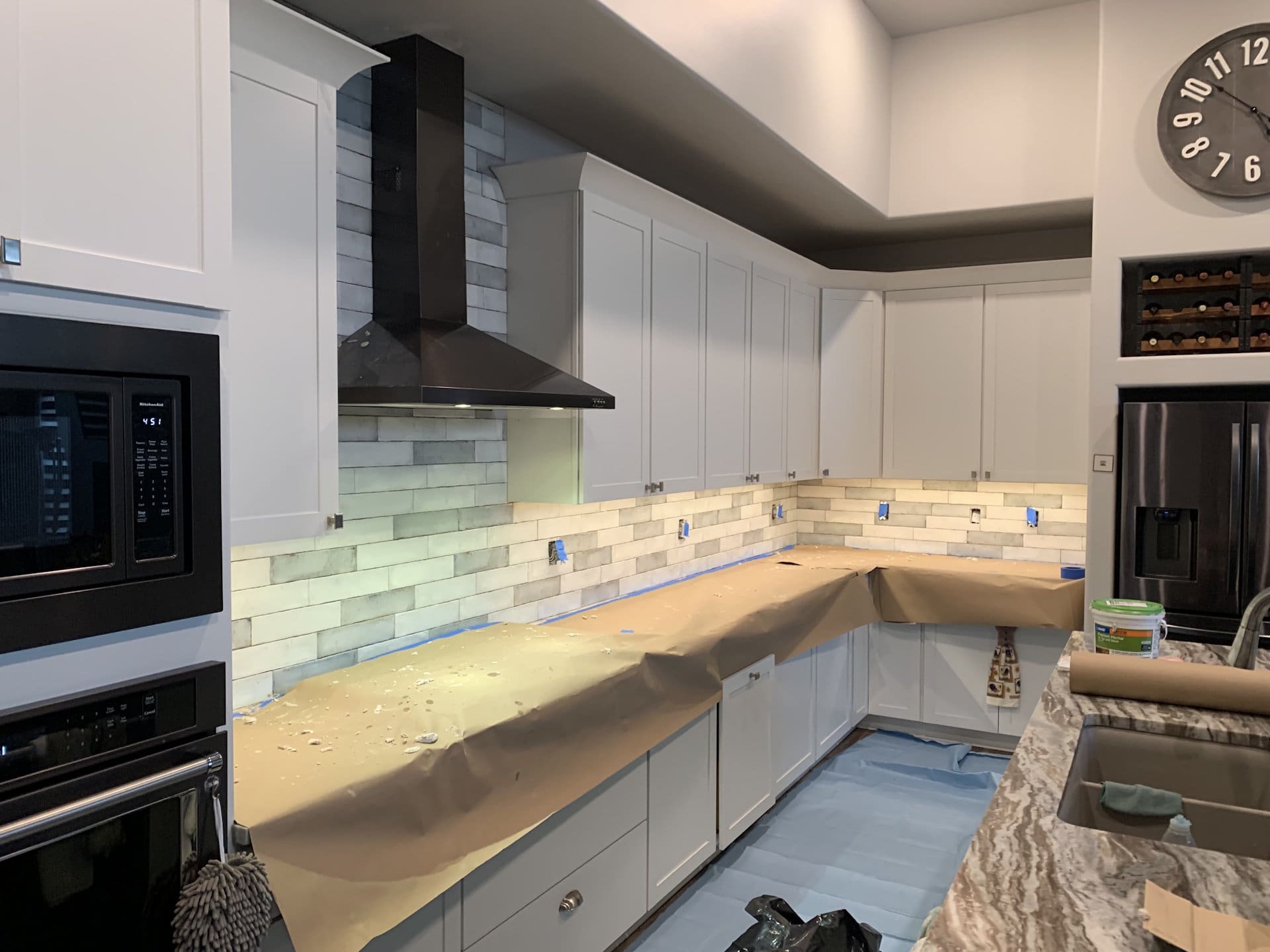
I get why homeowners focus on the visible upgrades: countertops, cabinetry, lighting. That’s the part everyone sees.
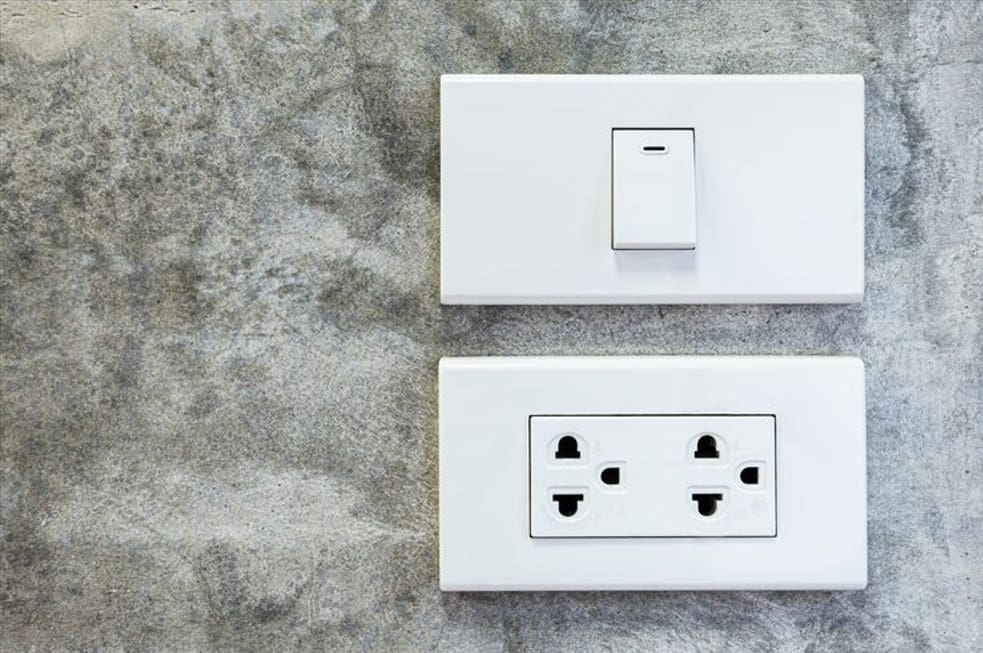
Modern countertop design has changed the way kitchens look and the way they’re used. Clean lines, thicker slabs, waterfall edges, and full-height backsplashes have become standard. What hasn’t always kept up is electrical planning.
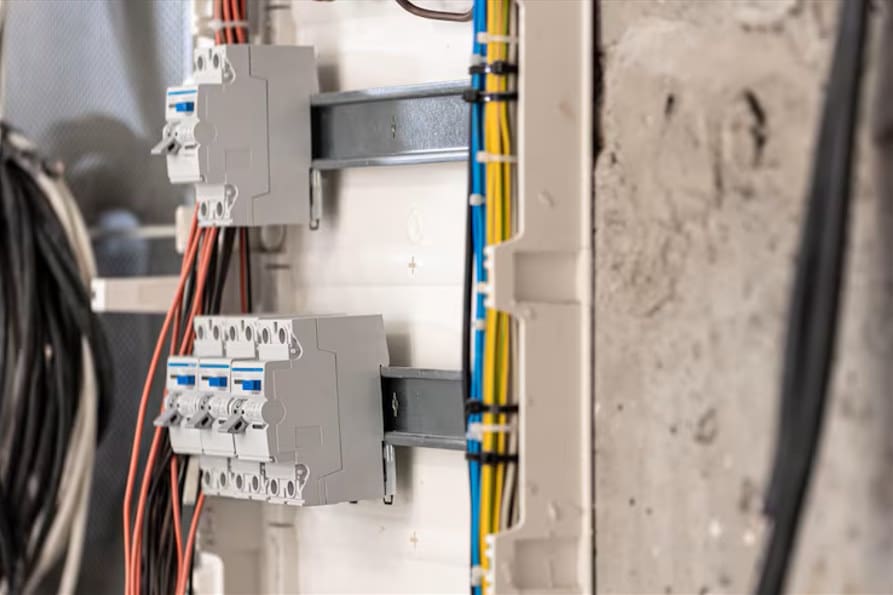
When homeowners plan a kitchen upgrade, the focus is usually on what they can see: new countertops, modern appliances, updated finishes. Electrical systems rarely make the checklist.
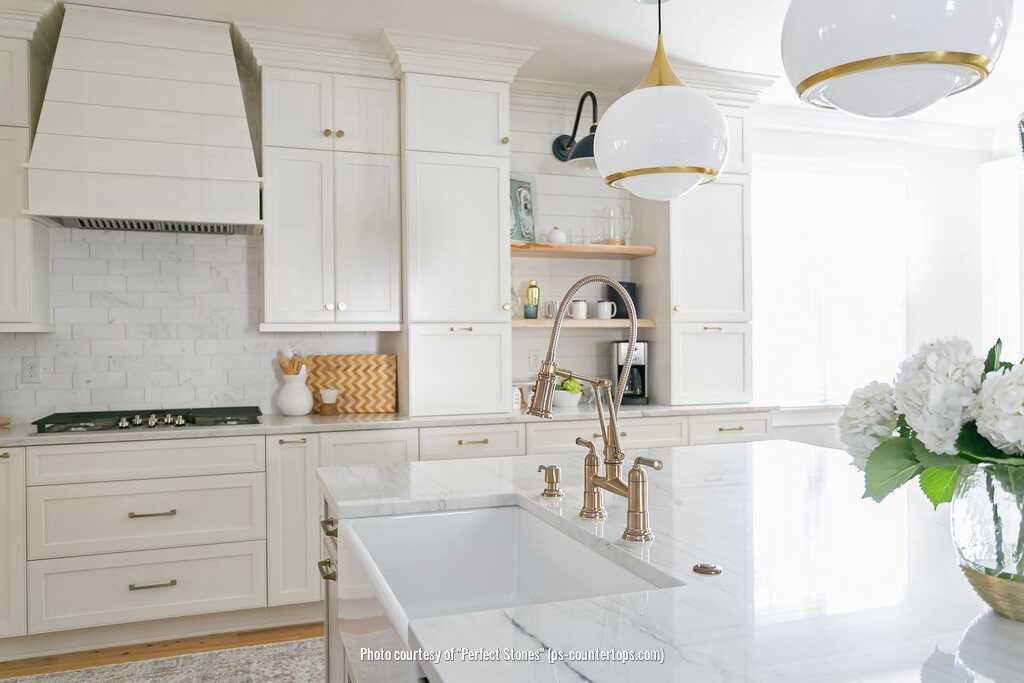
And Why Most Kitchens Fail Not Because of Materials But Because of Air On the web, there’s no shortage of advice about humidity and kitchens.

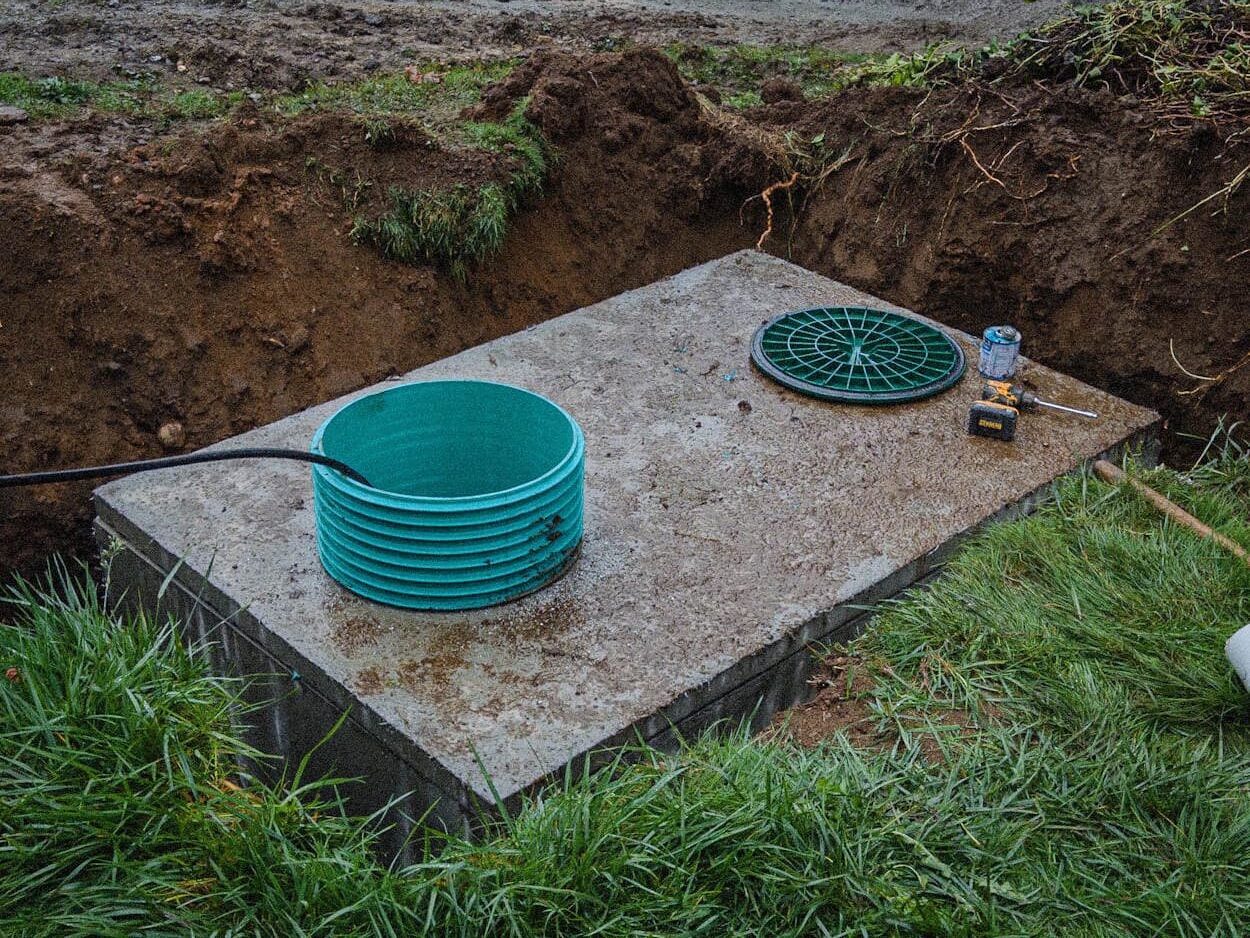
Garbage disposals have become a standard feature in modern kitchens. For many homeowners, they feel like a convenience you simply should have: scrape the plate, flip the switch, move on with your day.

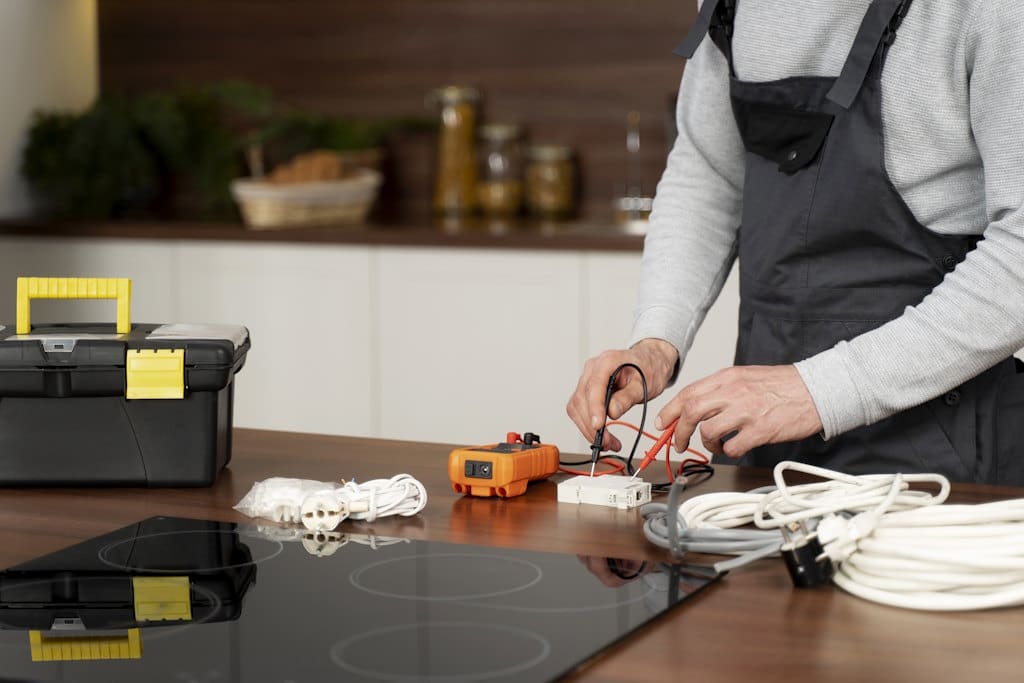
With recent updates to the National Electrical Code (NEC), the rules around where outlets can be installed in kitchens, especially on islands and peninsulas, have changed. Traditionally, outlets were placed on the sides of cabinets.
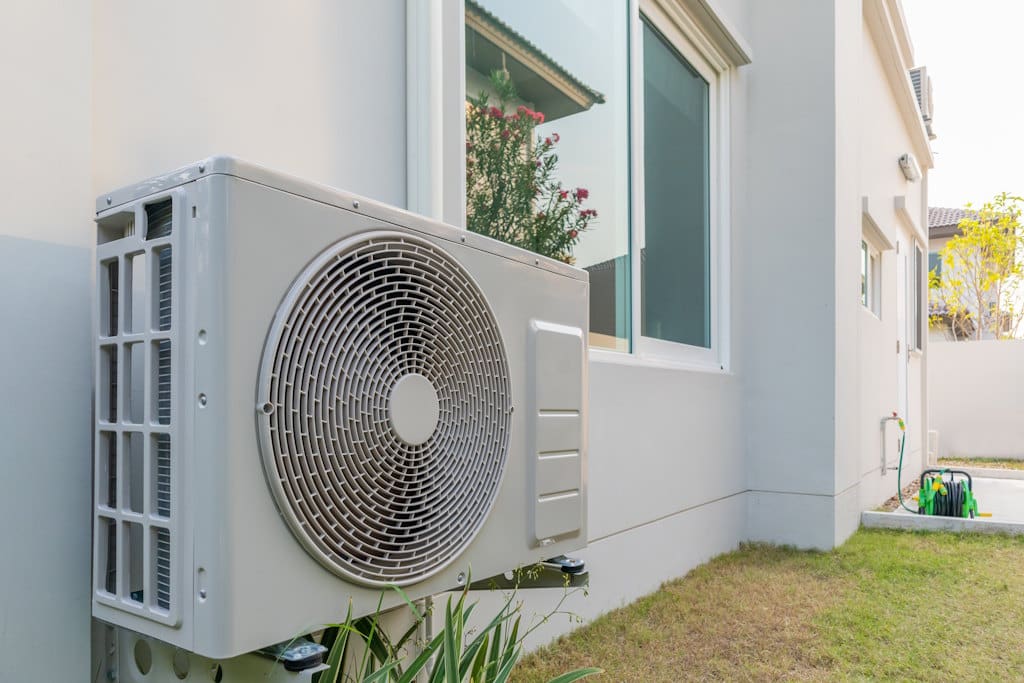
Wooden countertops have a character that stone and composite materials don’t. They warm up a space, develop patina over time, and give kitchens a lived-in feel that many homeowners want. But they’re also less forgiving.