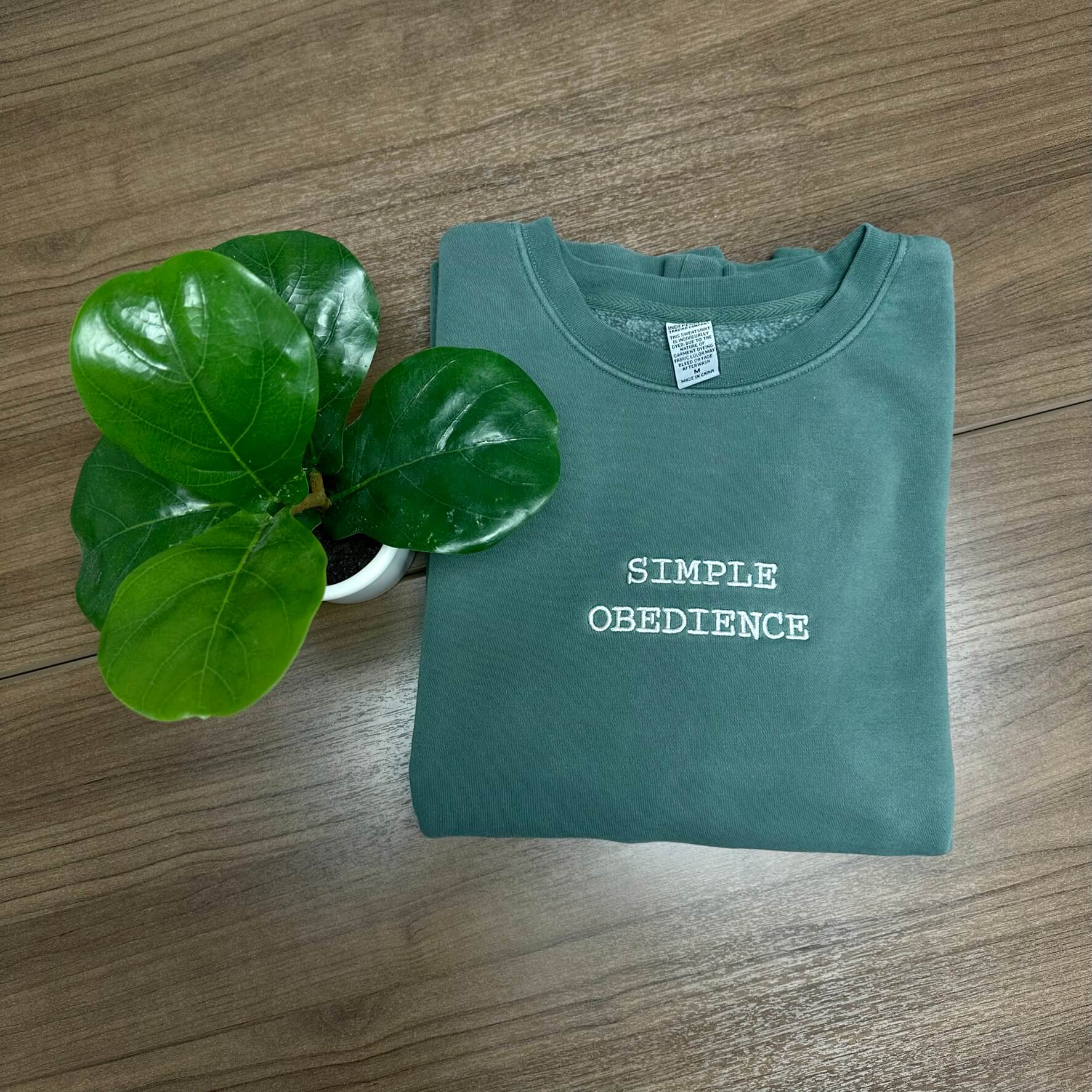
A printed T-shirt should not become a laundry experiment every time you wash it. Most of the care advice I give customers is simple: turn the garment inside out, use cool water and a mild detergent, avoid unnecessary heat, and follow the shirt’s own care label. Those habits reduce friction and stress on the decoration, but they are only part of the story.
I’m Andrey Tsarenko, Founder and CEO of Promo Box LLC. I have worked in printing and business branding since 2008, and when a print fails early, I do not immediately assume the customer washed it wrong. A screen print can crack because the ink was not cured properly. A DTF transfer can start lifting because the adhesive, temperature, pressure, or pressing time was wrong. Care matters, but careful washing cannot fix a production problem that was already built into the shirt.
Start With the Garment Label, Then Protect the Print
The shirt itself still sets the basic limits. Cotton, polyester, blends, and heavyweight garments may have different requirements for washing, drying, and ironing, so the first thing I would check is the care label before thinking about the decoration.
For most screen-printed and DTF shirts, I recommend turning the garment inside out, using cool water when the label allows it, choosing a mild detergent, and avoiding unnecessarily aggressive cycles. I also tell customers not to wash printed shirts with exposed zippers, rough fasteners, or other items that can rub directly against the design.
The inside-out step is simple, but it matters because the washer still creates friction even in cool water. The shirt moves against the drum and against other garments, and the printed surface takes less direct contact when it is protected inside the shirt. The same applies in the dryer, although turning the shirt inside out does not eliminate the effect of heat.
Screen Printing and DTF Fail in Different Ways
Screen printing places ink directly onto the fabric and then cures it. If the ink does not reach the required temperature for enough time, the print can look completely finished when it leaves production and still begin cracking after washing. Ink thickness, fabric, moisture, time, and temperature all influence curing, which is why the process has to be controlled rather than judged only by appearance.
DTF works differently because a printed transfer is bonded to the garment using adhesive, heat, and pressure. When a DTF problem appears, I pay particular attention to the edges. A corner or letter beginning to lift may point toward an adhesion issue, although the appearance alone cannot tell us whether production or laundering caused it.
That is why I do not like diagnosing either method from one photo without context. I want to know when the problem appeared, how the garment was washed, how many pieces in the order are affected, and whether the failure looks consistent across them.
We explain those differences and the full care routine in more detail in our guide to washing screen-printed and DTF T-shirts.
Excessive Heat Is One of the Fastest Ways to Stress a Print
Heat deserves more attention than most people give it. Repeated hot-water washing can increase fabric shrinkage and put additional stress on screen-printing ink and DTF adhesive. High dryer temperatures add another cycle of heat and friction. Properly cured screen printing should tolerate normal laundering, but repeated excessive heat can still shorten the life of both the garment and the decoration.
Whenever practical, I prefer air drying printed shirts. If a dryer is necessary, use a lower setting that is permitted by both the garment and decoration instructions. I would also avoid placing an iron directly on either screen printing or DTF. Direct heat can soften some inks or affect the surface and adhesive of a transfer. If the garment label allows ironing, turn the shirt inside out and keep the iron away from the printed area.
Bleach is another area where I would be careful because the rules vary by garment and decoration. Some apparel instructions permit only non-chlorine bleach, while some transfer systems recommend avoiding bleach completely. If you do not have instructions confirming that it is safe for both the shirt and the print, I would leave it out.
A Print That Fails After One Wash Deserves a Closer Look
There is a big difference between a shirt that gradually wears after repeated use and a brand-new print that starts cracking or peeling after one normal wash.
If someone brings me a peeling shirt, I want to know whether the problem appeared immediately or after months of wear. I also want to know whether one shirt failed or several pieces from the same batch show the same pattern. If six shirts from a 20-piece order are peeling while the other 14 are fine, that tells me something different from one heavily worn shirt failing after dozens of washes.
A newly damaged print should be documented before the customer tries to fix it. Take a clear photo of the problem and another photo of the whole garment, keep the order information, and be ready to explain how it was washed and dried. I would not recommend adding glue, pressing the design again at home, or putting it through another aggressive wash before the printer evaluates it. Extra treatment can hide useful evidence about what actually failed.
Six Peeling Shirts Told Us More Than One Damaged Shirt Would Have
We had an order of 20 printed shirts where six pieces began peeling while the other 14 were fine. That pattern mattered because it suggested we needed to look at what happened during production rather than automatically treating the issue as normal wear.
We reviewed the order, identified what we believed was the likely cause, and replaced the affected shirts. I did not think the customer should have to argue over six pieces if the problem came from our side. That is how I prefer to handle a legitimate production issue. First, determine what happened. Then decide how to correct it. If we made the mistake, I do not see any value in making the customer fight for a replacement.
Sometimes the Garment Fails Before the Print Does
We once applied an American flag graphic to shirts that had silicone details. During heat pressing, those details melted. We had not anticipated how that part of the garment would react to the required temperature, and two shirts were damaged. My answer was straightforward: replace them. I told the customer we could have new pieces ready in two days. That incident had nothing to do with washing, but it shows why decoration durability starts before the shirt ever reaches the customer. The printing method has to be compatible with the entire garment, not just the area where the artwork sits.
Screen Printing Is Not Automatically Better Than DTF
Screen printing can be an excellent choice for larger quantities, repeated designs, and solid-color artwork. DTF gives more flexibility for detailed, multicolor graphics, smaller quantities, and changing designs. Both can perform well when the garment, decoration system, and production process fit the order.
A properly cured screen print should not start cracking immediately under normal care. A properly applied DTF transfer should not begin lifting at the edges after the first normal wash either. The method matters, but execution matters just as much. That is also why I ask how the apparel will be used before recommending a process. A crew wearing uniforms every week and washing them constantly has different requirements from a company ordering shirts for a one-day event. The garment, decoration method, quantity, artwork, and expected use all belong in the same conversation.
Homeowners, companies, teams, and organizations planning printed apparel can see more of our screen printing, DTF, embroidery, and branding work at Promo Box LLC.
Andrey Tsarenko Explains What Actually Makes a Printed Shirt Last
The Stone Magazine (TSM): Andrey, what is the simplest way to make printed shirts last longer?
Andrey Tsarenko (AT): Turn them inside out, use cool water and mild detergent, avoid unnecessary heat, and follow the garment label. Those habits help both screen printing and DTF.
TSM: Why does turning the shirt inside out matter?
AT: It reduces direct friction against the print. The shirt is still moving inside the washer, so you are protecting the design from the drum, zippers, and rough surfaces.
TSM: Should screen printing crack after the first wash?
AT: Properly cured screen printing should handle normal laundering. If it cracks immediately, I would look at the washing conditions and also ask whether the ink was undercured.
TSM: What does DTF failure usually look like?
AT: Lifting around the edges is something I pay attention to. It can point toward an adhesion issue, but we still need to look at how it was pressed and how it was washed before deciding what caused it.
TSM: Can customers fix peeling DTF with an iron or glue?
AT: I would not recommend it. Take photos and contact the printer first. Home repairs can make it harder to see what originally went wrong.
TSM: Is air drying always necessary?
AT: Not always, but I like it because it removes extra dryer heat and friction. If you use a dryer, follow the garment and decoration requirements and keep the temperature reasonable.
TSM: What tells you that a problem might have started in production?
AT: Timing and repetition. If a new print fails after the first normal wash or several shirts from one order develop the same issue, I want to investigate the production side.
TSM: Is screen printing more durable than DTF?
AT: I would not say one is always better. It depends on the garment, artwork, quantity, production quality, and how the shirts will be used.
TSM: Why does the garment itself matter so much?
AT: Because printing does not happen in isolation. The fabric, coatings, trims, and heat sensitivity all matter. We once damaged silicone details during heat pressing, so that is something I learned very directly.
TSM: What should a business tell you before ordering uniforms?
AT: Tell us how often they will be worn, how often they will be washed, how many pieces you need, and what the artwork looks like. That helps us choose a garment and printing method that fit the actual job.