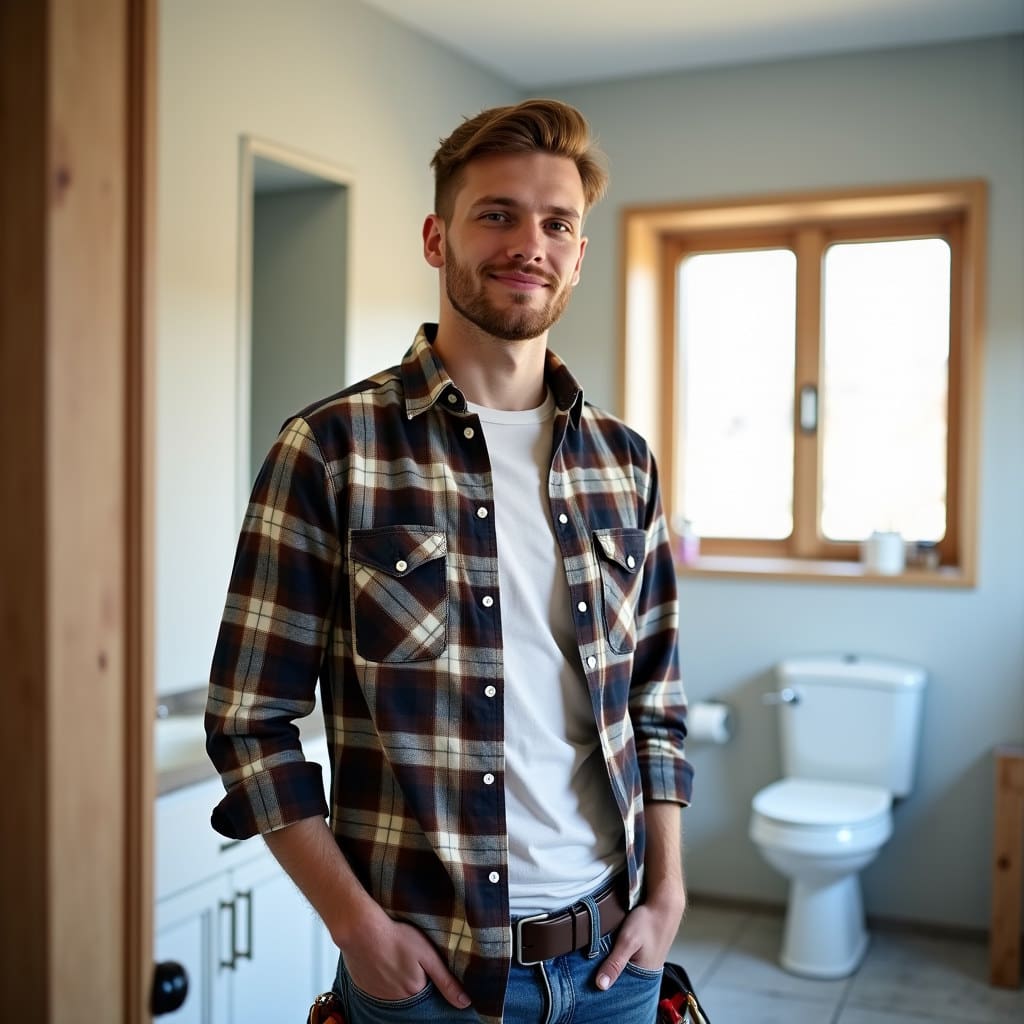
When your crew shows up to install countertops, the homeowner is already forming an opinion.
Before measurements are confirmed.
Before materials are discussed.
Before anyone explains the process.
That first impression happens fast and it sticks.
For countertops contractors, where work happens inside someone’s home, presentation carries even more weight. Your team isn’t just representing your company. They’re stepping directly into a personal space.
And what they wear is part of that introduction.
First Impressions Set the Tone for the Entire Project
When a technician walks up to a home, homeowners are reading signals instantly.
“It first of all communicates professionalism. Second of all communicates cleanliness and organization… the guys are clean, organized, and not all over the place.”
That judgment happens before a single conversation.
In residential work, especially kitchens and interior spaces, trust isn’t assumed. It’s earned in seconds.
And appearance plays a bigger role in that than most contractors realize.
“They say don’t judge a book by the cover, but if you can’t open the book, the cover is all you’ve got to look at.”
Where Most Contractors Break the Experience
A lot of companies invest in branding but not all the way through.
The truck looks great. Clean wrap. Strong logo. Clear identity.
Then the crew steps out in mismatched clothing.
“It kind of breaks that link of everything working in unison.”
Nothing dramatic happens. But something subtle shifts.
That cohesive, professional image? It disappears.
For countertops contractors, where projects are visual and detail-driven, that inconsistency stands out even more.
What Countertops Crews Should Actually Wear
If you’re building your brand from scratch or tightening it up, the priority is simple:
Focus on what homeowners see first.
“Definitely tops. Anything from the waist up.”
That includes:
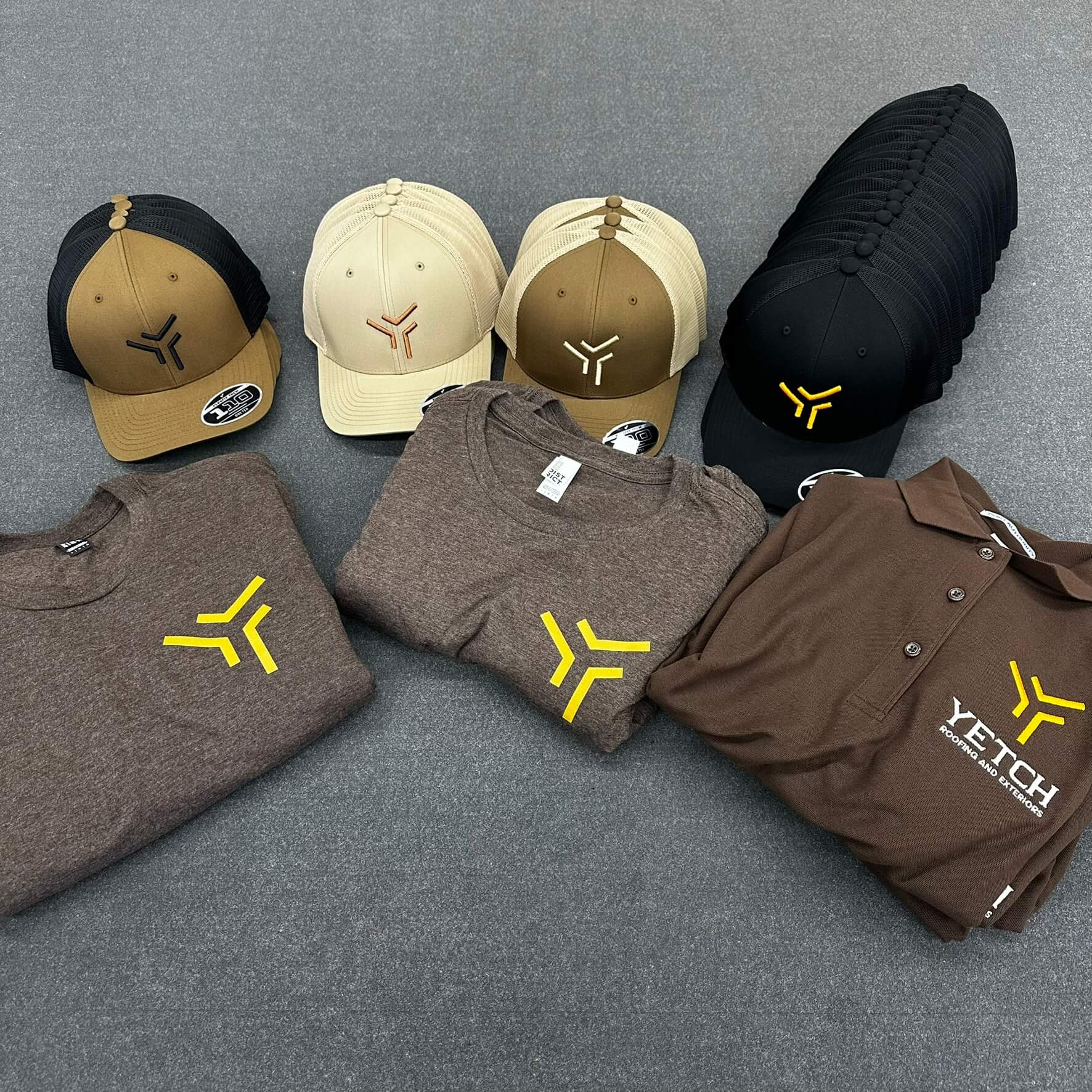
- T-shirts for install crews
- Hoodies for colder days
- Polos for estimators or sales visits
- Caps for visibility and consistency
You don’t need to overcomplicate it. Start with the essentials.
Why Role-Based Apparel Makes a Difference
As your team grows, uniforms can represent your brand and organize your crew.
Different colors or styles can signal roles:
- Install crew
- Team leads
- Sales staff
- Management
“Crew wearing one color… team leaders another… salespeople in polos… so when somebody steps on the job, they know exactly who’s who immediately.”
For homeowners, that removes confusion.
For your business, it creates structure.
Embroidery vs. Printing: What Works Best
This comes up all the time and there’s no one-size-fits-all answer.
“It depends on the garment.”
Here’s the practical breakdown:
- T-shirts & hoodies → printed
- Polos, jackets, hats → embroidered
Printed apparel makes sense for install crews. It’s cost-effective, easy to replace, and built for day-to-day work.
Embroidery, on the other hand, adds a more polished look, especially for customer-facing roles.
“The embroidered polo shirt definitely screams more professionalism versus a printed polo. It looks cheap.”
The key is knowing where to invest and where to stay practical.
Contractors who want to get this balance right often work with experienced apparel printing and embroidery services that understand how different garments function in real job-site conditions.
Why This Matters More for Countertops Work
Unlike exterior trades, countertops installation happens inside the home, often in kitchens, where cleanliness and precision are expected.
Homeowners are paying attention to:
- how your crew presents themselves
- how organized they appear
- how carefully they move through the space
Clean, consistent workwear reinforces the idea that your team is detail-oriented.
And in a business where finishes, edges, and seams matter, that perception carries real weight.
Professional Appearance Affects Pricing and Referrals
Imagine a homeowner comparing bids.
One contractor shows up:
- clean uniform
- branded apparel
- organized crew
Another shows up in random clothing.
Who feels more trustworthy?
“The cleaner uniform people are perceived as more professional… and sometimes we’re willing to pay more for that.”
That’s not about marketing. That’s about perception.
And when the experience feels professional from start to finish?
“The more professionalism there is, the more chances I will tell my friends, ‘You’ve got to work with these people.’”
That’s where referrals come from.
Consistency Is What Makes It Work
Uniforms don’t exist in isolation.
They need to match everything else:
- your vehicles
- your signage
- your website
- your overall brand
“Consistency is definitely a huge thing… if the van has one logo and the shirts have a different one, it becomes questionable.”
When everything aligns, your brand becomes recognizable.
When it doesn’t, it creates doubt.
Final Thought: Workwear Isn’t Just Clothing
For countertops contractors, branded apparel isn’t about looking good for the sake of it.
It’s about:
- building trust quickly
- showing organization
- reinforcing attention to detail
- creating a consistent experience
In a competitive market, those small details separate established companies from everyone else.
Because when your team walks into a home, the homeowner is already deciding:
Do these people feel professional?
And your answer starts before anyone says a word.