Why septic planning should come before tile, countertops, and exterior upgrades
Homebuyers fall in love with what they can see.
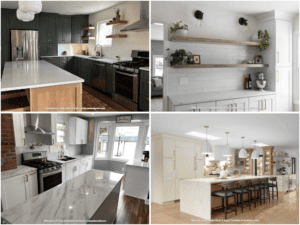
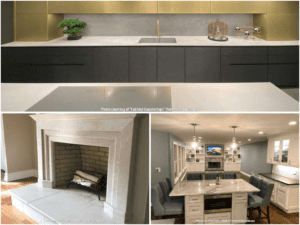
Countertops, tile, cabinetry, exterior finishes, and landscaping create the emotional connection that sells a home. These details matter. They shape first impressions and long-term enjoyment.
But beneath every beautifully designed home is a system most buyers never see and rarely think about until something goes wrong.
The septic system.
At Septic Solutions LLC, we regularly meet homeowners who invested heavily in finishes only to discover, too late, that the infrastructure supporting those choices was never properly planned. And when septic systems fail, no amount of design appeal softens the impact.
The $50,000 Reality Buyers Don’t Expect
In my role as General Manager of Septic Solutions LLC, I see this scenario more often than most people realize.
Nobody wants to buy a brand-new $700,000 home and find out a month later that they need to spend $50,000 on something that doesn’t bring any curb appeal. People buy homes for how they look, then they’re forced to spend serious money on something that’s literally underground.
That disconnect between visible upgrades and invisible systems is where frustration starts.
Buyers expect kitchens and bathrooms to feel new. They don’t expect to rebuild a septic system shortly after moving in. And because septic repairs don’t improve appearance, they feel like a loss rather than an investment.
The Invisible System That Supports Every Design Choice
Septic systems are foundational infrastructure. Every shower, sink, dishwasher, and washing machine relies on them working correctly.
Design choices directly affect septic load:
- Additional bathrooms increase daily flow
- Larger kitchens encourage heavier water use
- High-occupancy layouts place greater demand on system capacity
Yet septic planning is often treated as a final checkbox rather than a starting point.
The problem isn’t design itself. The problem is designing without confirming the system underneath can support it.
When Septic Planning Becomes an Afterthought
I often hear the same mindset from sellers preparing to list their homes.
Most of them say, “Do the bare minimum. I want out of here. I don’t want to spend money on this place anymore.”
That approach may feel practical in the short term, but it tends to resurface during inspections when buyers are watching closely and leverage shifts.
Deferred septic decisions don’t disappear. They get transferred into escrow negotiations, repair demands, or legal disputes after closing.
And when buyers start asking questions about septic systems, they often start asking broader questions too: What else was ignored?
Why Septic Costs Feel So Much Worse Than Finish Costs
There’s a psychological difference between spending money on design and spending money on infrastructure.
Finishes feel rewarding. They’re visible. They’re enjoyable. They add personality and perceived value.
Septic repairs feel different.
They don’t change how a home looks. They don’t add comfort. They simply restore basic function.
Homeowners often tell me it feels like they’re “throwing money into a hole in the ground,” even when the investment is necessary.
That emotional response is exactly why septic planning should happen before design upgrades, not after.
Septic Design Is About Load, Not Appearance
A properly designed septic system accounts for:
- Soil conditions
- Groundwater levels
- Lot layout
- Number of bedrooms and fixtures
- Expected daily water use
These factors determine how much capacity the system has and how long it will last.
What finishes don’t do is increase that capacity.
Upgrading countertops doesn’t reduce flow. A luxury shower doesn’t lighten system demand. Without proper septic planning, design improvements can unintentionally accelerate system fatigue.
Why Getting Septic Design Right Protects Everyone
When septic planning comes first, everyone benefits.
- Sellers avoid last-minute repair demands and post-sale disputes
- Buyers gain confidence and predictable ownership costs
- Contractors and remodelers avoid uncomfortable conversations after projects are complete
- Real estate professionals experience smoother escrows with fewer surprises
A well-planned septic system removes uncertainty and uncertainty is what derails transactions.
A Smarter Order of Operations
The most successful projects follow a simple sequence:
- Evaluate the site and septic system capacity
- Confirm the system can support the intended layout and usage
- Address septic upgrades or adjustments if needed
- Move forward with finishes and design confidently
This approach doesn’t limit creativity. It protects it.
My advice for sellers facing septic decisions late in the process is simple: spend the money, do it right, get it done, move on with your life.
That guidance applies just as much to planning as it does to repairs.
Beautiful Homes Still Need Functional Foundations
Design matters. Finishes matter. Craftsmanship matters.
But none of it works without a system underneath that quietly does its job every day.
Septic planning isn’t anti-design. It’s what allows homeowners to enjoy their spaces without anxiety, surprise costs, or regret.
The best homes balance what you can see with what you can’t. And the smartest projects make sure the foundation comes first.