When homeowners start researching heat pump installation, they usually expect some variation in pricing.
What they don’t expect is this:
Two contractors can walk through the same house and come back with quotes that differ by $10,000 or more.
That’s not unusual. It’s actually one of the most common experiences homeowners have when they start getting estimates.
The problem isn’t that one quote is “wrong.”
The problem is that most homeowners don’t know what they’re actually comparing.
Why Heat Pump Prices Vary So Much
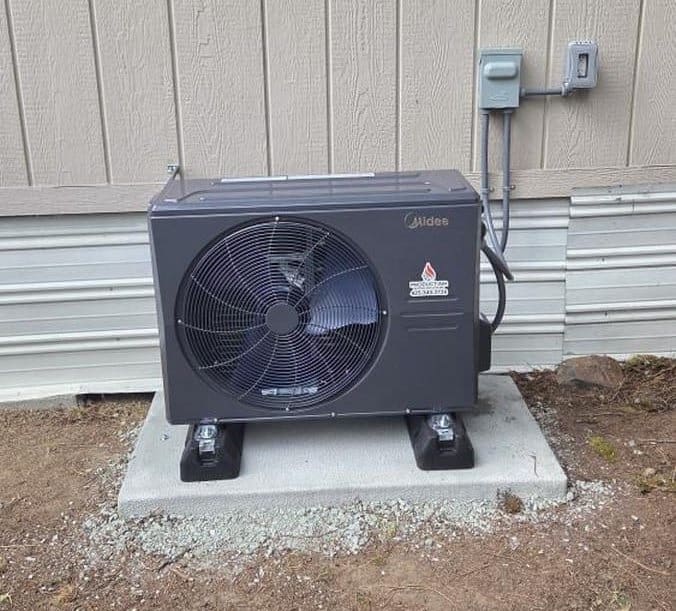
Heat pump installation isn’t a single product. It’s a combination of:
- Equipment
- Installation labor
- Electrical work
- Permits
- System design
Each of those components can change depending on the home.
That’s why pricing feels inconsistent.
In most cases, the breakdown looks roughly like this:
- Equipment: ~45% of total cost
- Labor & installation: ~30%
- Permits & materials: remaining portion
So when one contractor quotes lower, it’s usually because something in that structure is different:
- lower-tier equipment
- reduced installation scope
- missing permits
- or shortcuts that aren’t obvious upfront
What Heat Pump Installation Actually Costs in Seattle
Based on real projects, most homeowners fall into a few common pricing ranges:
- Budget installation (equipment provided or simplified setup): $3,500–$5,000
- Entry-level professional systems: starting around $8,500
- Most common installations: $13,500–$15,000
- Premium or multi-zone systems: $17,000–$22,000+
- Full retrofit projects: can exceed $22,000
These numbers reflect real scenarios across different homes.
If you want a detailed breakdown of how those numbers are calculated, this guide to heat pump installation pricing in Seattle walks through actual equipment tiers, installation types, and real project examples.
The important point is this: pricing depends on the system and the home, not just the equipment itself.
The Three Types of Installations Homeowners Encounter
Most heat pump projects fall into one of three categories.
1. Simple Installation
This is the most straightforward scenario:
- existing ductwork is usable
- electrical system supports the load
- minimal changes required
These installations are faster and more affordable because the home already supports the system.
2. Standard Installation
This is the most common case, especially in older homes.
It often includes:
- longer refrigerant line runs
- electrical upgrades
- minor duct modifications
- multiple permits
Homes built decades ago weren’t designed for modern heat pumps. The installation has to adapt to that.
3. Complex Installation
This is where costs increase significantly.
Examples include:
- full ductwork replacement
- relocating equipment
- panel upgrades
- multi-zone systems
- structural adjustments
At this level, the project becomes more of a full system redesign than a simple installation.
Why Permits Matter More Than Homeowners Expect
Permits are often misunderstood.
Some homeowners see them as optional or something that can be skipped to save money.
That’s a mistake.
In Seattle, heat pump installation typically requires:
- mechanical permit
- refrigeration permit
- electrical permit
The cost is relatively small, usually between $149 and $500, but the impact is significant.
Permits:
- keep warranties valid
- qualify the system for rebates
- protect resale value
- ensure the work passes inspection
Skipping permits to save a few hundred dollars can cost thousands later.
The Real Cost of Cutting Corners
One of the most consistent patterns seen in the field is this:
Homeowners try to save money upfront by:
- hiring unlicensed installers
- skipping permits
- choosing lower-quality work
It looks like savings at first.
But the long-term costs are usually higher.
Unpermitted systems:
- can’t receive rebates
- may void manufacturer warranties
- create problems during home sale
- may lead to expensive repairs
Most homeowners who end up correcting these issues spend more than they would have on a proper installation from the start.
Equipment Choices and What They Mean for Price
Not all heat pumps are the same.
In Seattle, installations typically fall into three equipment tiers:
Entry-Level Systems
- basic performance
- lower upfront cost
- standard warranty
These are designed for homeowners prioritizing affordability.
Mid-Range Systems (Most Common)
This is where most homeowners land.
These systems offer:
- better efficiency
- improved comfort
- inverter-driven performance
- balanced cost vs. long-term value
Premium Systems
These include:
- multi-zone systems
- cold-climate models
- high-efficiency performance
They cost more upfront but offer greater flexibility and performance, especially in complex homes.
Rebates and Incentives: What Actually Applies
Many homeowners assume large rebates apply to every installation.
That’s not always the case.
In Seattle, rebates depend on:
- utility provider
- system type
- household income
- equipment efficiency
Typical rebates range from:
- $300–$600 for standard systems
- $1,500–$4,000+ for qualifying upgrades or income-based programs
One important detail: rebates usually require permitted installation.
No permit = no rebate.
How Long a Heat Pump Should Last
In Seattle’s climate, a properly installed and maintained heat pump typically lasts:
15–20 years
The biggest factors that affect lifespan are:
- installation quality
- maintenance consistency
- airflow conditions
- early problem detection
Annual maintenance is one of the simplest ways to extend system life and avoid major repairs.
What Homeowners Should Do Before Getting Quotes
Before scheduling estimates, it helps to have a basic understanding of your home.
Things that matter:
- square footage
- existing ductwork
- age of the current system
- electrical panel condition
- comfort issues in specific rooms
This helps contractors provide more accurate recommendations and helps you ask better questions.
The Bottom Line: It’s Not Just About the Number
Heat pump installation isn’t just a purchase.
It’s a long-term investment in:
- comfort
- energy efficiency
- home value
That’s why price alone doesn’t tell the full story.
What matters is:
- what’s included in the quote
- how the system is designed
- whether the installation is done correctly
- and whether the work is documented and permitted
Because in the end, the system you install today will impact your home for the next 15 to 20 years.
And the difference between a good decision and a costly one usually comes down to understanding.