

How to Make Your Kitchen More Energy-Efficient and Cut Utility Bills in Half
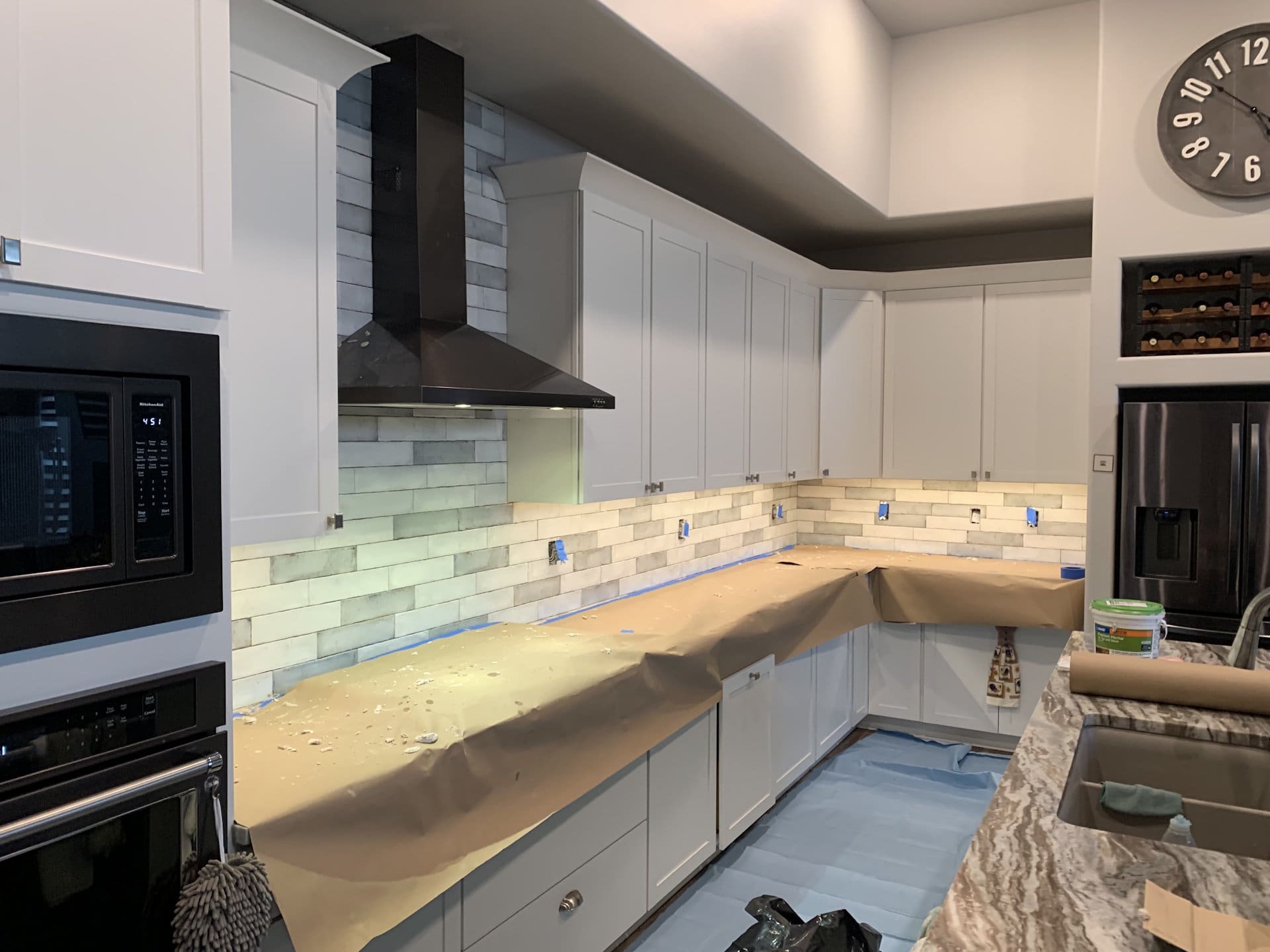
I get why homeowners focus on the visible upgrades: countertops, cabinetry, lighting. That’s the part everyone sees.
However, when I walk through finished remodels, I often notice something missing from the conversation. People focus on what they see. They don’t look at how it runs.
I’ve been in homes with beautiful new kitchens where the winter heating bill is still pushing $900 or $1,000. The space looks great. The monthly costs haven’t changed.
If you’re already upgrading systems, it makes sense to ask a bigger question. How is this space going to perform five or ten years from now?
Kitchens Carry More Load Than Most People Realize
The kitchen is one of the heaviest energy users in the house.
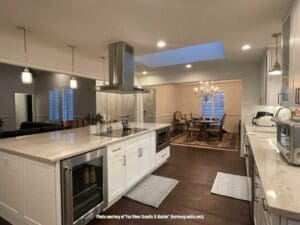
You’ve got the range, refrigerator, dishwasher, lighting, ventilation and often it’s part of an open floor plan that ties directly into the main living space. When homeowners remove walls or expand into open concepts, they’re increasing volume and changing airflow patterns.
I tell people all the time, “When layouts change, airflow changes.”
An island interrupts air movement. Large windows introduce heat gain or loss. A powerful vent hood depressurizes the home if makeup air isn’t considered. None of this is dramatic on its own. However, together, it affects how hard your heating and cooling system has to work.
Most remodel conversations don’t include that part.
Simple Upgrades That Help
There are a few upgrades that make practical sense during a kitchen renovation.
Induction Cooking
Induction is one of the simplest performance upgrades homeowners can make. It heats faster, wastes less energy, and doesn’t introduce combustion gases into the home.
If you’re already touching the electrical system during a remodel, it’s a logical step. It’s cleaner and more efficient without being complicated.
Ventilation Done Correctly
I’ve seen beautiful kitchens where the vent hood looks impressive but wasn’t designed correctly.
If the hood is oversized and the home doesn’t have proper makeup air, it can pull cold outdoor air through every small gap in winter. That increases heating demand without the homeowner realizing why.
Duct routing matters. Airflow balance matters. These are small technical details, but they affect long-term efficiency.
When trades coordinate early, these things get solved before drywall goes up. When they don’t, fixes get expensive.
Where the Real Savings Often Come From
Appliances matter. Ventilation matters. However, if we’re talking about noticeable utility bill reductions, the heating system is usually the biggest opportunity.
Electric resistance heat (baseboards, older electric furnaces) creates heat directly. It’s simple, but it’s not efficient.
Heat pumps work differently. They move heat instead of generating it.
That difference is significant.
Yes, it costs more upfront. However, I’ve seen $1,000 bills drop to $400.
And in our climate in Western Washington, that performance holds up well because our winters are moderate. Heat pumps run steadily here. They don’t fight extreme temperatures most of the season.
If someone is remodeling their kitchen and still running baseboard heat, that’s usually the moment I suggest stepping back and evaluating the bigger picture. Proper design and professional heat pump installation determine whether those savings are real.
If walls are open, that’s the time to fix it. Doing it later costs more.
Installation Quality Is Everything
One thing I’ve learned over the years: efficiency depends on execution.
I’ve walked into homes where someone invested $25,000 in a system that never performed the way it should have, simply because it wasn’t designed or commissioned properly.
Load calculations matter. Equipment sizing matters. Airflow setup matters.
Oversized systems short-cycle. Undersized systems run constantly. Both waste energy.
And operation matters too. Modern inverter systems are designed to run consistently. Big temperature setbacks at night might seem like a savings strategy, but large swings can actually increase overall energy use.
The best results usually come from steady operation and proper maintenance.
Contractors Play a Bigger Role Than They Think
Kitchen remodels bring together multiple trades: cabinetry, electrical, countertops, plumbing, ventilation.
Mechanical systems often get addressed last.
However, electrical panels must support induction cooking and high-efficiency HVAC equipment. Duct paths should be considered before cabinetry blocks options. Ventilation layout needs to align with structural decisions.
When contractors communicate early, homeowners avoid rework and hidden inefficiencies. That coordination doesn’t just save money during construction. It protects long-term operating costs.
Think Beyond the Finish
Countertops create the first impression when someone walks into a kitchen.
Mechanical systems determine what that space costs you every month.
You can remodel and still pay high heating bills. That happens all the time.
Or you can use the remodel as an opportunity to fix what’s underneath.
If walls are open and systems are being touched, that’s the time to look at airflow, electrical capacity, and heating efficiency. Doing it later usually costs more and involves tearing things back apart.
A good remodel shouldn’t just look better.
It should run better.
And if it runs better, you’ll feel it every winter when the bill shows up.