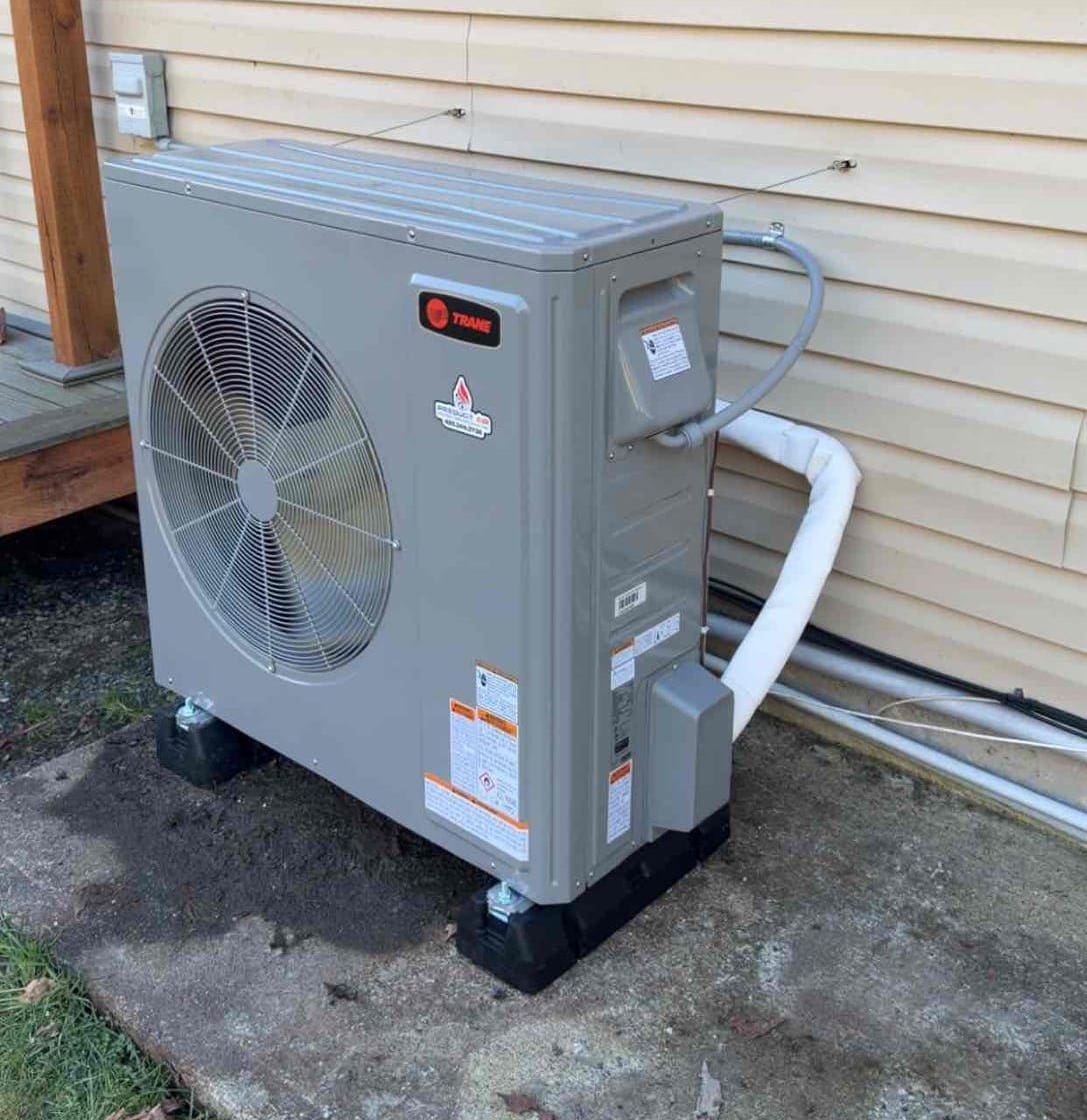
The question most homeowners ask and the answer they don’t always expect
“Do I really need maintenance every year?”
It’s a fair question. Especially when everything seems to be working fine.
Nothing’s making noise. The house feels comfortable. The system turns on when it should. So it’s easy to assume there’s no urgency.
But that’s also how most problems start.
The short answer is simple: yes, once a year.
Not because something will break tomorrow if you skip it, but because small issues tend to build quietly over time, and most major HVAC failures don’t happen all at once.
The Short Answer: Once a Year
For both heat pumps and air conditioners, the recommendation is the same: service them once per year.
Heat pumps run year-round, switching between heating and cooling as the seasons change. That constant use makes regular maintenance especially important.
Air conditioners don’t run all year, but when summer hits, they’re expected to perform at full capacity. Annual service helps make sure they’re ready when it matters.
Skipping a single year usually won’t cause immediate damage. But skipping repeatedly? That’s where wear starts to show up faster than expected.
What Actually Happens When Maintenance Gets Skipped
Many homeowners assume that if nothing inside the system is broken, everything must be working properly.
In reality, most issues don’t originate within the sealed system. They begin externally, where airflow restrictions and environmental exposure come into play.
1. Coils Collect Debris
Outdoor units naturally pull in dust, pollen, leaves, and debris.
Even a thin layer buildup on the coil can reduce efficiency by 20–30%. That might not be noticeable right away, but it forces the system to work harder to achieve the same result.
More effort means more energy use and more wear over time.
2. Electrical Connections Loosen
Temperature changes cause materials to expand and contract over time. This movement can loosen electrical connections.
In one case, a loose wire contacted the unit’s metal cabinet, resulting in compressor failure. That kind of issue doesn’t begin as a major problem. It develops gradually until a failure occurs.
Routine inspections are designed to identify and address these issues early, before they escalate.
3. Airflow Gets Restricted
Airflow is one of the most important parts of how an HVAC system functions.
When airflow drops, whether from dirty coils or clogged filters, everything else starts working harder:
- Motors run hotter
- Compressors stay on longer
- Electrical components take on more stress
It’s not just one part that’s affected. It’s the entire system.
How Efficiency Slips Without You Noticing
There isn’t a single number that applies to every home, but the pattern is consistent.
Reduced airflow leads to weaker heat exchange. That lowers efficiency. Lower efficiency means longer run times.
And longer run times eventually show up in one of three ways:
- Higher energy bills
- Less consistent comfort
- Or a system that starts breaking down
Maintenance helps interrupt that cycle before it gets expensive.
What Tends to Fail First
Not all components wear down at the same pace, but a few tend to show issues sooner when maintenance is skipped.
Motors
They rely on proper airflow to stay cool. When airflow is restricted, overheating becomes a risk.
Electrical Components
Loose connections and heat stress shorten their lifespan.
Compressor
This is the most expensive part of the system. Replacing one can cost between $3,500 and $5,000.
And in many cases, compressor issues can be traced back to preventable factors, such as dirty coils or restricted airflow—problems that could have been identified early.
Maintenance Also Protects Your Warranty
This is something homeowners don’t always think about.
Many manufacturers require proof of annual maintenance to keep extended warranties valid. Without it, coverage can be limited or denied.
Some companies stand behind their installations with labor warranties, but beyond that, maintenance documentation often becomes important.
It’s not just about performance. It’s also about protecting your investment.
What a Proper Service Visit Looks Like
Maintenance isn’t just swapping out a filter and calling it a day.
A thorough AC maintenance service typically includes:
- Inspecting and cleaning coils
- Measuring airflow
- Tightening electrical connections
- Checking sensors
- Verifying refrigerant levels
- Looking for leaks
- Making sure the system is operating as designed
It’s a full check of how everything is working together.
If You Only Check One Thing
If there’s one simple thing homeowners can stay on top of, it’s the air filter.
A clogged filter restricts airflow. Restricted airflow puts strain on the system. And that strain affects everything else.
It’s also one of the easiest things to manage:
- Check it monthly
- Replace it as needed
- Keep vents clear
Small habit, noticeable impact.
Heat Pumps vs. Air Conditioners: Any Difference?
Not when it comes to service frequency.
Both systems should be serviced once a year.
The only difference is that heat pumps operate more consistently throughout the year, which means they accumulate wear in a different pattern. But the maintenance schedule remains the same.
The Most Expensive Problem You Can Prevent
When systems fail, the compressor is often the most costly component to repair or replace.
At several thousand dollars, it’s a significant expense—not a minor fix.
And in many cases, the cause isn’t sudden. It’s gradual:
- Dirt buildup
- Airflow restriction
- Electrical issues
None of these develops overnight. And most of them are detectable during routine maintenance inspections.
The Bottom Line
HVAC systems don’t usually fail without warning.
They wear down over time. Quietly. Gradually.
Skipping maintenance once might not seem like a big deal. But skipping it consistently creates a pattern, and that’s when problems start getting expensive.
Annual service isn’t about over-maintaining something that works. It’s about keeping it working longer, more efficiently, and with fewer surprises along the way.
For most homeowners, that one visit per year is a small investment compared to the cost of major repairs down the line.