When homeowners plan a kitchen upgrade, the focus is usually on what they can see: new countertops, modern appliances, updated finishes. Electrical systems rarely make the checklist.
That oversight is more common than people realize, and it’s one of the reasons electricians are increasingly called after a remodel instead of during it.
“People upgrade everything on the surface,” says Sergey Nikolin, co-founder of Product Air Heating, Cooling, and Electric, LLC, “however, the infrastructure behind the wall often stays the same.”
In many homes, that mismatch creates real problems.
Why Modern Kitchens Demand More Power
Today’s kitchens use far more electricity than kitchens did even 15 or 20 years ago.
Induction cooktops, double ovens, built-in microwaves, smart refrigerators, under-cabinet lighting, and high-draw coffee machines all pull power, often at the same time.
Homes built decades ago were never designed for that level of simultaneous demand.
“A lot of older panels just weren’t sized for modern living,” Sergey explains. “They were built for a few basic appliances, not a fully electrified kitchen.”
What the Electrical Panel Actually Does
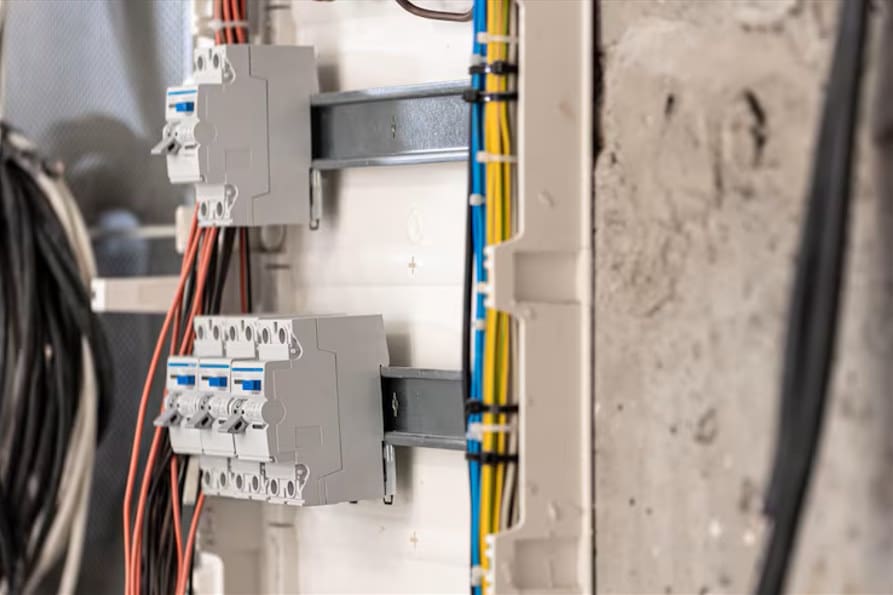
The electrical panel is the central distribution point for the entire home. Every outlet, appliance, and light depends on it.
Like a heart, it can only handle so much load at once.
Older panels often have:
- Limited capacity
- Fewer dedicated circuits
- Aging components that were never meant to support modern appliances
They may still function. However, they operate closer to their limit.
How Countertop and Appliance Upgrades Increase Electrical Load
Kitchen remodels often include more than new surfaces. They usually bring layout changes and appliance upgrades with them.
Heavier appliances, relocated outlets, and additional circuits all increase demand on the panel.
What electricians see frequently is this sequence:
- Countertops and cabinets are upgraded
- New appliances are installed
- The electrical system is left unchanged
“The equipment changes,” Sergey says, “but the electrical backbone doesn’t.”
That’s when issues start showing up.
Common Signs a Panel Is Being Overloaded
Electrical problems often appear only after a renovation is complete.
Homeowners may notice:
- Breakers tripping when multiple appliances run
- Lights dimming when ovens or cooktops turn on
- Appliances behaving inconsistently
- Warmth or buzzing at the electrical panel
These aren’t normal side effects of a remodel. They’re warning signs.
Why Overloaded Panels Are a Safety Issue
When a panel is pushed beyond its intended capacity, resistance increases. Resistance creates heat.
Over time, heat damages components inside the panel, especially if maintenance has been neglected.
“If oxidation builds up, it creates resistance,” Sergey explains. “And resistance leads to overheating. That’s where fire risk starts.”
These problems often develop quietly, behind the wall, until something fails.
Why DIY Electrical “Fixes” Make Things Worse
One of the most dangerous mistakes homeowners make is trying to solve overload issues themselves.
Common examples include:
- Installing larger breakers instead of addressing capacity
- Adding circuits without load calculations
- Modifying panels without permits
Breakers are designed to protect wiring. Increasing breaker size without upgrading wiring removes that protection.
“That’s how fires happen inside walls,” Sergey says.
When a Panel Upgrade Makes Sense
Not every remodel requires a panel replacement but many benefit from one.
Panel upgrades are often recommended when:
- A kitchen renovation includes major appliance upgrades
- Multiple high-draw appliances are added
- The home is also adding heat pumps or EV chargers
- The existing panel is decades old
Upgrading proactively is usually simpler and safer than reacting to failures later.
Why Electrical Planning Should Be Part of Kitchen Design
Coordination between countertop installers, appliance professionals, and local licensed electricians in Washington State helps prevent failed inspections, delayed timelines, and costly corrections after installation.
The best remodels consider what’s behind the walls, not just what’s on them.
Coordination between countertop installers, appliance professionals, and licensed electricians helps prevent:
- Failed inspections
- Delayed project timelines
- Costly corrections after installation
Electrical planning protects the homeowner’s investment and the finished kitchen.
Design That Works as Well as It Looks
A modern kitchen isn’t just about aesthetics. It’s about functionality, safety, and longevity.
“Modern appliances require modern infrastructure,” Sergey says. “That’s just the reality now.”
When electrical capacity is part of the renovation conversation, homeowners get a space that performs as well as it looks without surprises down the road.