The answer isn’t just about years. It’s about what happens before and after installation
One of the first questions homeowners ask when considering a heat pump is simple:
How long is this thing going to last?
You’ll often hear a clean, reassuring answer: something like 15 to 20 years. And that’s not wrong.
But it’s not the whole story, either.
Because when systems fail early or last far longer than expected, it usually comes down to two things: how they were installed, and how they’re maintained over time.
The Real Lifespan: What Actually Happens Over Time
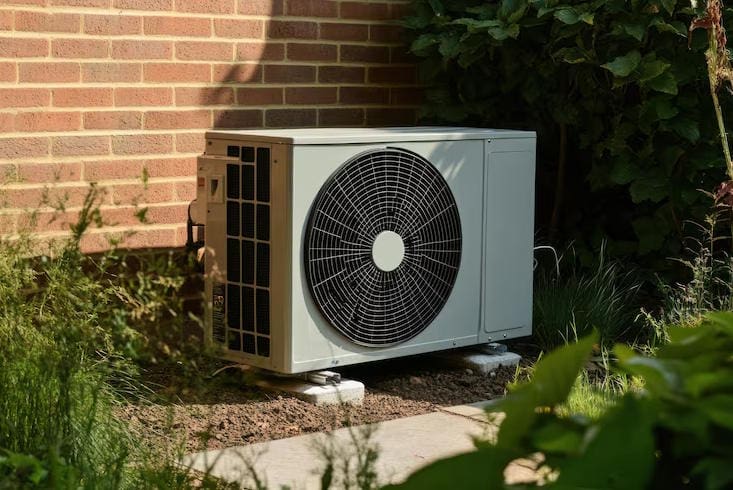
Most modern heat pumps are built to last somewhere between 15 and 20 years.
Some hit that mark without issue. Others don’t even come close.
There’s a pattern technicians see again and again:
- Systems that fail around 5 years → usually tied to installation issues
- Systems that struggle around 10 years → often maintenance-related
- Systems that reach 15–20 years → typically installed correctly and serviced consistently
That’s the key idea most homeowners miss.
Heat pumps don’t just “wear out” randomly. Their lifespan reflects the decisions made early on and the habits that follow.
Why Installation Matters More Than People Think
If a system fails early, the root cause is rarely a defective unit.
More often, it traces back to the installation.
The compressor, the most important and expensive part of the system, is especially sensitive to the quality of installation. Small mistakes during setup can quietly cause damage that shows up years later.
Some of the common issues include:
- Refrigerant lines not handled or routed correctly
- Moisture or air left inside the system
- Incorrect refrigerant charge
- Poor connections during installation
Even details like how materials are stored before installation can affect long-term performance.
This is why installation isn’t just a step in the process. It’s the foundation of the system’s lifespan.
Sizing: The Problem You Don’t See Right Away
Bigger isn’t always better. And smaller isn’t safer.
An oversized system reaches temperature too quickly, then shuts off. That constant on-and-off cycling puts repeated stress on internal components.
An undersized system creates the opposite problem: it runs constantly, struggling to keep up. Over time, that continuous strain increases wear and tear on the system.
Both situations shorten the equipment's life, just in different ways.
Proper sizing isn’t about preference. It’s about accurate load calculations and matching the system to the home.
Maintenance Is What Separates 10 Years From 20
Even a perfectly installed system won’t last if it’s ignored.
Annual maintenance plays a major role in how long a heat pump actually performs well.
That usually includes:
- Cleaning key components
- Checking electrical connections
- Verifying airflow
- Testing system performance
Without that, small issues build up quietly.
There are real-world examples where systems stopped heating or cooling effectively — not due to mechanical failure, but because airflow was restricted by dust and debris. The system kept running, but under constant strain.
Over time, that strain accumulates.
In many cases, the difference between a system lasting 10 years and one lasting 20 isn’t a sudden breakdown. It comes down to whether maintenance was performed consistently.
Signs Your System Might Be Wearing Down
Most homeowners don’t notice technical issues first. They notice comfort changes.
Things like:
- Rooms not staying evenly heated or cooled
- Longer run times
- Reduced airflow
- Higher energy bills
- New or unusual noises
These aren’t random. They’re early indicators that something is changing inside the system.
When caught early, many of these issues can be addressed before they turn into larger repairs.
Repair or Replace? It’s Not Always a Simple Math Problem
At some point, every homeowner faces the same question: fix it or replace it?
There isn’t a universal answer.
Some systems get repaired multiple times because the costs are small and the unit still has life left. Others get replaced sooner, not because they have to, but because the homeowner wants reliability and peace of mind.
The decision usually comes down to:
- The system’s age
- How frequently issues occur
- Long-term plans for the home
- Personal comfort expectations
It’s not just about numbers. It’s about confidence in what comes next.
The Biggest Misconception About Lifespan
Many homeowners assume there’s a fixed expiration date.
There isn’t.
Heat pump lifespan is shaped by a few controllable factors:
- Installation quality
- Proper sizing
- Ongoing maintenance
- Operating conditions
That’s why two identical systems can perform completely differently over time.
In fact, when installed correctly by qualified HVAC technicians in Seattle and maintained annually, modern heat pumps can operate reliably for close to two decades, especially in moderate climates that support long-term performance.
How to Get the Most Out of Your System
If your goal is to reach the upper end of that 15–20 year range, the approach is pretty straightforward:
- Start with professional installation
- Make sure the system is properly sized
- Schedule maintenance once a year
- Keep filters clean or replace them regularly
- Address small issues early
None of this is complicated. But it does require consistency.
The Bottom Line
A heat pump’s lifespan isn’t a mystery.
It’s not luck. And it’s not just about the equipment itself.
It’s the result of how well the system was set up at the beginning and how well it’s been maintained over time.
For homeowners, that’s actually good news.
After all, it means a longer lifespan isn’t out of your control—it’s something you can actively influence from day one.