


Before Houseguests Move In, Check What Your Septic System Can Support
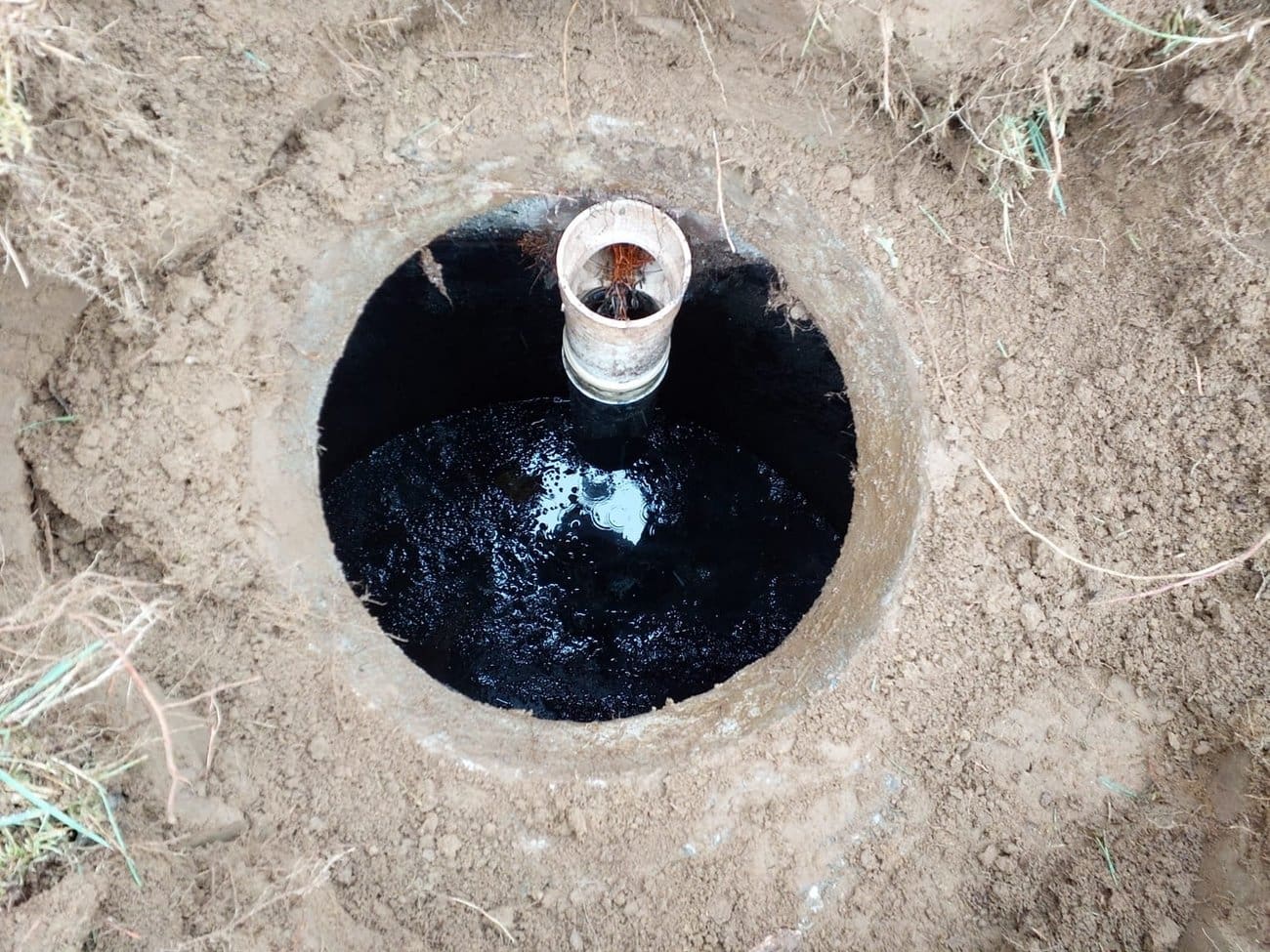
A stay lasting several months calls for a look at the approved system, its service history, and the daily routine the larger household will create.
When relatives are staying for several months, I would put the septic records on the preparation list alongside the spare room. The question is whether the system was designed for the expected use and whether its present condition supports that plan.
Imagine a household of two adults and two teenagers preparing for two more adults and a child. That is a planning example, not a particular job. Even if the drains work normally and the tank was pumped eighteen months ago, those facts do not establish that the system can support the larger household for months.
The useful preparation is specific to the property. It may involve maintenance, a closer assessment of existing symptoms, changes in water use, or a different arrangement for the stay.
Start with the approved system
Find the permit, design documents, as-built drawing, and latest service reports. The as-built records the installed layout. Together, the documents can help establish the approved bedroom count, design flow, equipment, and any findings that still need attention.
House size is not a substitute. Two homes with similar floor areas can have different septic designs and site limitations. Turning an office into a place to sleep does not automatically add treatment or dispersal capacity.
Washington's residential design criteria use a minimum design flow of 120 gallons per bedroom per day for single-family residences, subject to the rule's other provisions. Three bedrooms give a design calculation of 360 gallons per day. That number is not a guarantee that an existing three-bedroom system can reliably handle that flow today. Its approved design and current condition still need to be understood.
If records are missing, explain that when contacting the provider. It is better to identify what is unknown before the visit than to infer capacity from the size of the house or tank.
Translate the guest list into daily routines
More people generally bring more showers, laundry, toilet use, and kitchen cleanup. They also add solids that need to remain in the tank while liquid moves through the system.
Head count gives context without measuring wastewater. In the example above, four residents becoming six is a 50 percent increase in occupancy. Becoming seven is a 75 percent increase. Neither percentage tells us the increase in flow or predicts a failure.
Think through how the household will actually operate. Will several people shower before work? Will the washing machine run more often? Are long baths part of someone's routine? Is a toilet already leaking when nobody is using it?
If the property has a water meter, existing readings can provide a baseline. Compare them with use during the stay, while remembering that outdoor watering usually does not enter the septic system. Total metered water is not necessarily septic flow, and the meter does not establish approved capacity.
A busy weekend has an end. With a stay lasting months, the additional showers and washing become part of everyday use. The system does not return to the household's previous routine on Monday.
There is no universal number of days that makes extra occupancy safe. A week without symptoms is useful to observe, but it does not establish how the system will perform through a longer stay or a wet season.
That also does not mean guests automatically cause trouble. It means the decision should be based on the design, condition, and likely use instead of a promise that a certain visit length is always acceptable.
Decide what a pump-out would accomplish
Pumping removes accumulated material. If it is due, arranging it before guests arrive makes sense. It does not enlarge the drainfield or increase the system's design capacity.
After pumping, normal household wastewater brings the tank back toward its operating liquid level. The tank does not remain empty for months as storage for the guests' additional wastewater.
Look at the previous report for sludge and scum observations, defects, and recommendations. If the information is missing or no longer reflects conditions, a check may be appropriate. The EPA's septic care guidance identifies household size, wastewater volume, solids, and tank size as factors affecting pumping needs.
A recent pumping date is part of the history. It cannot settle every question about the system, and another pump-out should have a reason beyond the arrival of relatives.
For a household with current records and no symptoms, start with the provider familiar with the system. Guests do not automatically create a need for pumping, a diagnostic visit, and every available test.
I would be more concerned about several slow drains, an alarm, unusual wet areas, rain-related problems, or an unresolved finding in the last report. Describe those concerns along with the proposed change in use when arranging septic inspection services.
Depending on the system, an assessment may include accumulated solids, the outlet baffle and filter, and pumps, floats, or alarms. The work should address what is installed and what the history indicates.
An inspection describes conditions at the time of the visit. It can identify defects and inform decisions, but it cannot guarantee performance under any amount of future water use.
Include the wet season in the conversation
If the stay extends into fall or winter, mention how the system behaved during previous long periods of rain. Normal operation on a dry inspection day does not erase that history.
Outside water entering through a leaking component adds flow the household did not produce. Saturated soil around the drainfield creates a different issue by affecting dispersal. Those possibilities should not be treated as the same diagnosis.
Keep roof runoff and yard drainage away from the field, and find another place for guests to park. A drainfield should not become an overflow parking area simply because the house is busier.
Make water habits part of hosting
Explain a few habits before everyone settles in. Fix leaking fixtures, use suitable settings for full laundry and dishwasher loads, and spread laundry through the week. Keep showers reasonable and put wipes, grease, hygiene products, and food scraps in the trash.
There is a useful distinction between volume and timing. Avoiding unnecessary wash cycles reduces the amount of wastewater. Spreading needed loads out changes when it arrives. Both can help, but scheduling cannot make an undersized system suitable for unlimited daily flow.
Guests accustomed to public sewer may simply need to know how this house works. Give them practical instructions without suggesting that careful habits can compensate for every capacity problem.
After arrival, watch for changes without opening the tank. An alarm, several slow fixtures, new odors, or wet ground near the system deserves attention. The timing of rain and heavy water use can help with septic troubleshooting, although timing alone does not prove the cause.
If sewage backs up or surfaces, reduce water use, keep people and pets away, and contact a professional promptly. Do not switch off system power to make an alarm disappear.
If the expected use exceeds what the system can support, another pumping appointment or a more efficient fixture may not make the stay workable. Discuss fewer guests at one time, alternative accommodations, or a designer's evaluation if system changes are being considered.
Before the visit, I want the household to understand the approved system, any work it needs now, and the limits that remain. That leaves room to make a realistic plan while everyone still has options.
Homeowners can learn more about our maintenance, inspection, and troubleshooting work at Septic Solutions.
Art Nikolin Explains What Longer Guest Stays Mean for Septic Systems
The Stone Magazine (TSM): Can a larger house accommodate more guests without affecting the septic system?
Art Nikolin (AN): The house may have enough room, but that doesn't establish the septic system's approved capacity. I would review the design and service history before assuming the additional wastewater load is suitable.
TSM: Does pumping before guests arrive increase capacity?
AN: No. Pumping removes accumulated waste, but it doesn't enlarge the drainfield or increase the system's approved design flow.
TSM: What matters more, the number of guests or how much water they use?
AN: Both provide useful context, but actual routines matter. Showers, laundry, leaking fixtures, and the timing of water use can affect the daily load. A percentage increase in occupants isn't an exact measurement of wastewater.
TSM: Should every homeowner schedule an inspection before a long visit?
AN: Not automatically. I would start with the available records and any unresolved symptoms. Those findings help determine whether a service visit is needed and what it should cover.
TSM: What if the proposed stay would overload the system?
AN: More pumping doesn't solve a capacity problem. The household may need to change its accommodation plan or consult a septic designer about possible system changes.